How to Plan Civil Works Around the North Queensland Wet Season
In North Queensland, the wet season isn’t a disruption, it’s a defining project constraint.
Intense rainfall, saturated ground conditions, and unpredictable storm events can halt construction, damage partially completed works, and drive significant cost overruns if not properly planned for.
At Stratos Civil, wet season risk is not managed reactively on site, it’s addressed upstream in design and planning. By aligning civil design, staging, and construction methodology with seasonal conditions, the team ensures projects remain buildable, resilient, and commercially controlled.
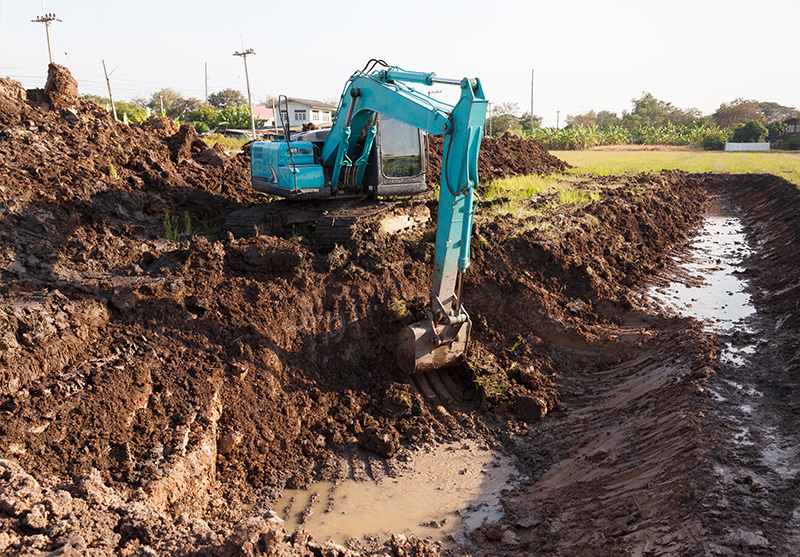
The Real Risks of the Wet Season
1. Program Delays and Lost Productivity
Extended rainfall events can:
Shut down earthworks operations
Delay critical path activities
Reduce plant efficiency and access
Stratos Civil approach:
Develops staging strategies that prioritise dry-season critical works
Sequences construction to minimise exposure during peak rainfall periods
Identifies activities that can continue under wet conditions
Insight: Time lost to weather is rarely recovered—planning must absorb it upfront.
2. Ground Instability and Access Constraints
Saturated soils lead to:
Reduced bearing capacity
Equipment bogging and restricted access
Damage to prepared surfaces
Stratos Civil mitigates this by:
Designing stabilised access routes early in the program and implementing clean water diversion drains upstream of site
Incorporating temporary works (e.g., capping layers, geotechnical solutions)
Sequencing earthworks to avoid exposing large areas unnecessarily
This ensures sites remain operational, not reactive during wet periods.
3. Erosion and Sediment Control Failures
High rainfall intensity can overwhelm poorly designed controls, resulting in:
Sediment runoff
Environmental non-compliance
Rework and remediation costs
Stratos Civil designs erosion and sediment control (ESC) as a primary system:
Early installation of robust ESC measures
Designing Implementing for peak wet season flows not minimum requirements
Staging controls to match construction sequencing
Key Principle: ESC systems must perform under worst-case conditions, not ideal ones.
4. Stormwater System Incompleteness During Construction
Partially completed drainage systems are highly vulnerable:
Uncontrolled runoff paths
Localised flooding
Damage to unfinished infrastructure
Stratos Civil addresses this through:
Prioritising early delivery of critical drainage infrastructure
Designing Implementing temporary drainage pathways
Ensuring safe flow conveyance throughout all construction stages
Analogy: A drainage system doesn’t need to be complete to function, but it does need to be coherent at every stage.
5. Material Handling and Stockpile Management
Rainfall impacts:
Material quality (e.g., moisture content)
Stockpile stability
Rework requirements
Stratos Civil integrates:
Strategic stockpile locations with drainage consideration
Material staging aligned with weather windows
Protective measures to maintain material usability
In high-rainfall regions, the most successful projects aren’t the fastest—they’re the best planned.